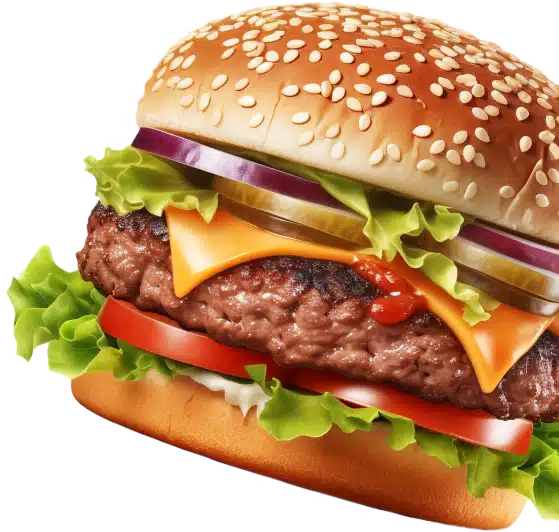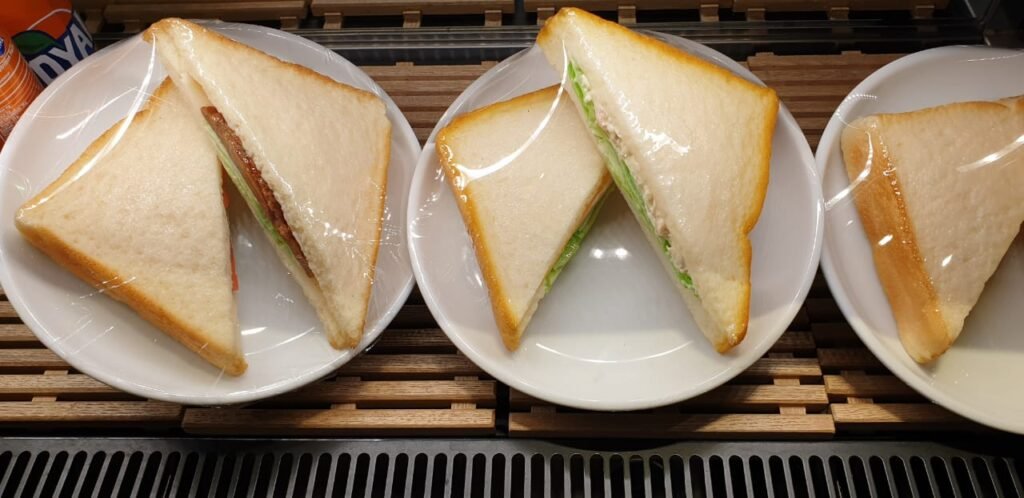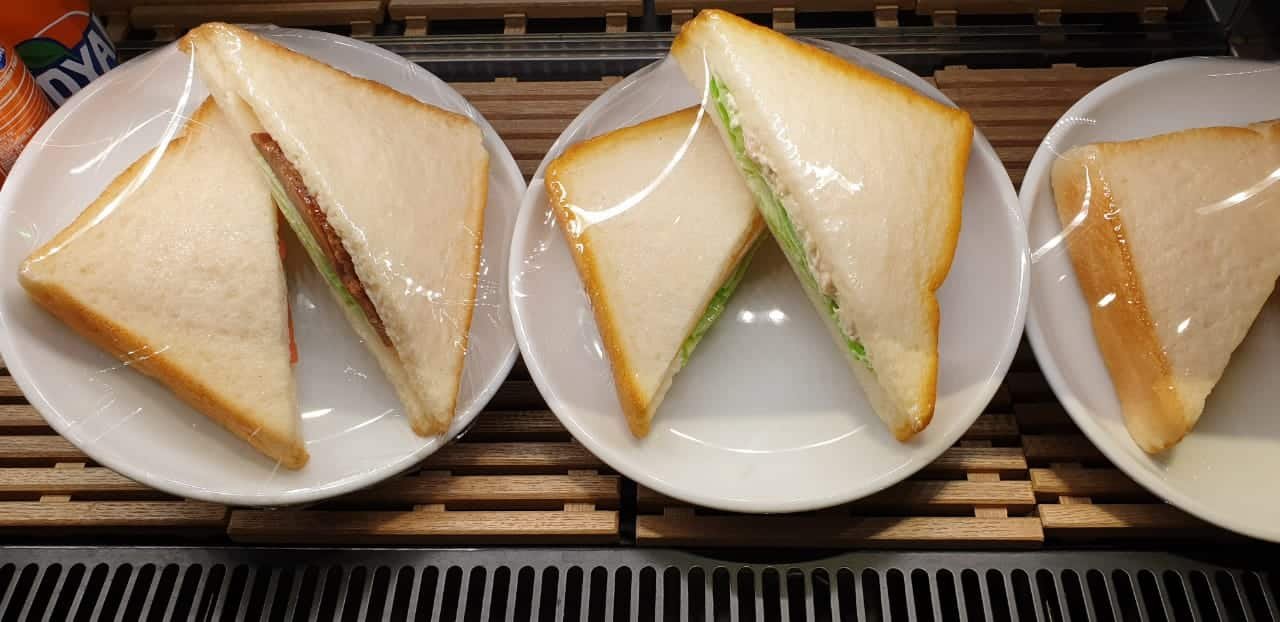
Most people think replica food is decoration. In Japan, it is a responsibility.
As specialists in replica food craftsmanship, we often see the term “fake food” used casually. In reality, true sampuru (サンプル食品) represents a disciplined Japanese craft rooted in accuracy, honesty, and cultural respect. It exists to communicate food exactly as it is served—nothing more, nothing less.
At Replica Gallery, we follow this philosophy because in a global dining city like Dubai, visual accuracy is not optional. It is essential for trust.
The Origins of Sampuru in Japanese Dining Culture
Sampuru originated in Japan in the early 20th century, when restaurants needed a way to clearly present dishes to customers from different regions and literacy levels. Rather than relying only on written menus, restaurateurs introduced three-dimensional food replicas that showed:
● Portion size
● Ingredient composition
● Plating style
● Overall presentation
From the beginning, sampuru was governed by a clear principle: the replica must match the real dish exactly.
Over time, this practice evolved into a respected craft with strict standards:
● No exaggeration of portions
● No artistic reinterpretation
● No stylized colour enhancement
● Absolute loyalty to the real plate
In Japanese dining culture, misleading a customer visually is considered a breach of trust.
Sampuru is not decorative prop-making. It is visual documentation. Every accurate replica begins with a real dish that is studied, measured, and referenced in detail.
True sampuru:
● Is created from actual plated dishes
● Reflects real textures, gloss levels, and ingredient structure
● Is designed to remain visually stable over long periods
● Exists to set correct expectations before ordering
Poor-quality replicas damage credibility. Accurate replicas build confidence often before a single word is exchanged.
The Craft Behind Hyper-Realistic Replica Food
Authentic sampuru-inspired replica food is entirely handcrafted. At Replica Gallery, every project begins with real dish references, never illustrations or assumptions.
We work with high-grade silicone and PVC because these materials allow us to accurately
reproduce:
● The translucency of sauces and oils
● The grain structure of rice and noodles
● The fibrous texture of proteins
● The natural sheen of fresh ingredients
Each replica is built layer by layer, with close attention to:
● Colour accuracy under real lighting
● Ingredient hierarchy on the plate
● Cuisine-specific plating traditions
This process is deliberately meticulous. Precision cannot be rushed.
Why Sampuru Matters in Modern Dining
Today’s diners make decisions visually before reading descriptions or asking questions. In multicultural environments, this behavior is even more pronounced.
Sampuru-based replica food helps:
● Reduce hesitation when ordering unfamiliar dishes
● Bridge language and cultural gaps
● Improve ordering confidence
● Align expectation with the actual meal served
For restaurants, hotels, food courts, and exhibitions, replica food becomes a functional communication tool, not a decorative feature.
Why Sampuru Principles Are Essential in Dubai
Dubai’s dining scene is one of the most diverse in the world. On any given day, a restaurant may serve guests from dozens of cultural backgrounds.
In this environment:
● Stylized displays create confusion
● Exaggerated replicas weaken brand trust
● Generic food models undermine credibility
Sampuru’s philosophy—accuracy over aesthetics—solves these challenges. It allows food to communicate clearly, without language or explanation.
Bringing Sampuru Craftsmanship to the UAE
Replica Gallery is the first and only UAE-based studio dedicated exclusively to hyper-realistic replica food inspired by Japanese sampuru craftsmanship.
Our work is guided by:
● In-depth cultural research for each cuisine
● Real dish referencing as a non-negotiable standard
● Cuisine-specific visual accuracy
● Handcrafted production using professional materials
We do not stylize food.
We do not exaggerate portions.
We do not treat replica food as décor.
We document cuisine visually—with respect.
Final Thoughts: Sampuru Is a Commitment to Honesty
Sampuru teaches a principle that defines how we work:
Visual accuracy is a form of respect—for the cuisine, the chef, and the customer.
In a city like Dubai, where dining is global and expectations are high, replica food must do more than attract attention. It must communicate truth.
When executed correctly, replica food becomes part of a restaurant’s credibility and identity—not an afterthought.
This philosophy is the foundation of Replica Gallery, and it is the standard we uphold in every piece we create.