
The UAE is one of the most internationally diverse dining markets in the world.
Tourists, business travelers, and residents from over 200 nationalities move through its
malls, hotels, waterfront promenades, and commercial districts every day. For restaurants,
this creates enormous opportunity — and a critical challenge:
How do you communicate your menu clearly to customers who may not share your
language or cultural familiarity?
In 2026, hyper-realistic replica food has become one of the most effective tools for attracting
tourists and multilingual customers — without saying a single word.
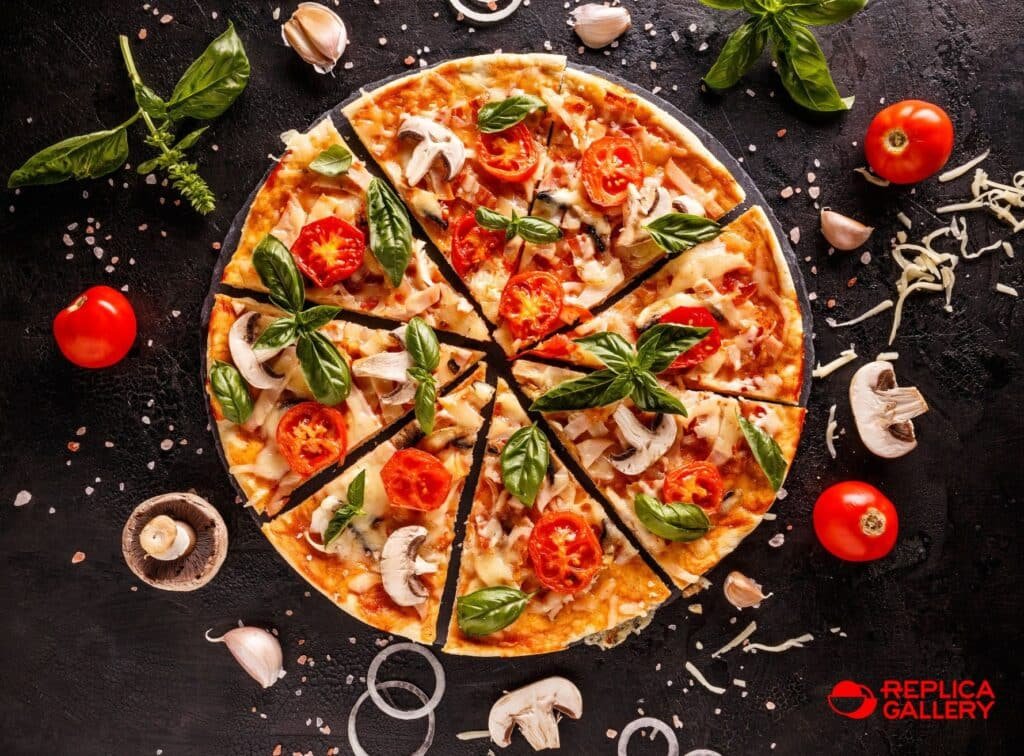
The UAE Dining Environment Is Multilingual by Default
Restaurants in Dubai, Abu Dhabi, and across the Emirates regularly serve guests who:
● Do not read Arabic
● Are unfamiliar with regional cuisine names
● Feel hesitant ordering unfamiliar dishes
● Prefer visual confirmation before committing
Text-heavy menus and even high-quality photography can create confusion.
But a hyper-realistic, three-dimensional replica immediately answers key questions:
● What does this dish look like?
● How large is the portion?
● Is the sauce thick or light?
● What ingredients are included?
Visual clarity removes hesitation.
Replica Food Eliminates Language Barriers Instantly
A guest who cannot read “machboos,” “nihari,” or “takoyaki” can still understand:
● Rice texture
● Protein type
● Garnish composition
● Cooking style
● Portion scale
Replica food functions as a universal visual language.
Inspired by the precision tradition of Sampuru, professional replicas replicate dishes with
ingredient-level accuracy — allowing tourists to make confident decisions without translation.
In high-tourism zones, this reduces friction and increases entry rates.
Increased Walk-Ins From Window Brows
Tourists often decide where to dine spontaneously.
They walk past dozens of options in mall corridors, beachfront promenades, and hotel dining
areas.
A realistic display:
● Stops foot traffic
● Sparks curiosity
● Triggers appetite
● Creates visual memory
Unlike digital screens that blend into background noise, physical replica food creates depth
and realism that commands attention.
In tourism-heavy areas, this visual differentiation is powerful.
Builds Trust for Unfamiliar Cuisines
Many tourists want to try authentic local or regional cuisine — but uncertainty can prevent
them from entering.
For example:
● What exactly comes with a mezze platter?
● How spicy does this curry look?
● Is this sushi portion small or filling?
● Is the dessert heavy or light?
When customers see an accurate representation, hesitation decreases.
Trust increases when presentation matches expectation.
Professional replica food ensures that what customers see is what they will receive —
reinforcing credibility before the first bite.
Encourages Exploration and Upselling
Tourists often seek “signature experiences.”
Strategically placed replica dishes can highlight:
● Best-selling items
● Traditional specialties
● Premium offerings
● Set menus
● Seasonal dishes
When visually compelling dishes are displayed prominently, customers are more likely to try
higher-value items.
Replica food becomes a subtle upselling tool — without aggressive sales tactics
Enhances Social Media Appeal
Tourists frequently photograph restaurant storefronts and unique displays.
A culturally accurate, hyper-realistic showcase becomes:
● A visual landmark
● A conversation starter
● A shareable moment
In a market where dining and social media are closely connected, distinctive replica displays
enhance brand visibility beyond physical foot traffic
Supports Hotels and Tourist-Focused Hospitality
Hotels serving international guests benefit from clear visual previews of:
● Breakfast buffets
● Regional specialty dishes
● Ramadan promotions
● Themed dining events
Replica food allows hospitality brands to showcase offerings without food waste or hygiene
concerns — while providing clarity to guests unfamiliar with certain dishes.
For tourist-heavy operations, this improves both guest experience and operational efficiency.
Why Cultural Accuracy Matters More Than Ever
Not all replica food is equal.
Mass-produced decorative models often lack:
● Correct ingredient textures
● Accurate plating traditions
● Cultural nuance
● Realistic colour variation
In a market as sophisticated as the UAE, inaccuracies can undermine credibility —
especially when serving international visitors who are increasingly well-traveled and visually
aware.
Authenticity builds trust.
Imprecision breaks it.
Why Restaurants Choose Replica Gallery
Replica Gallery is the first and only UAE-based studio dedicated exclusively to
hyper-realistic replica food inspired by authentic Japanese sampuru craftsmanship —
combined with deep understanding of Middle Eastern and global cuisines.
Every replica is:
● Custom-made from your actual dishes
● Handcrafted using premium-grade silicone and PVC
● Designed for unlimited shelf life
● Researched for cuisine-specific accuracy
● Tailored to your brand identity
Whether you operate an Arabic restaurant in a heritage district, a Japanese concept in a
luxury mall, or an Indian fine-dining venue near tourist attractions, Replica Gallery ensures
your display communicates clearly across languages and cultures.
Your cuisine deserves precision.
Your guests deserve clarity
Attract More Tourists. Convert More Visitors.
If your restaurant relies on:
● Tourist foot traffic
● Mall exposure
● Hotel partnerships
● Multilingual customer bases
Then your visual communication must work harder than your menu descriptions.
Replica food eliminates language barriers, builds trust, and increases walk-in confidence —
turning window browsers into paying guests.
Book a consultation with Replica Gallery today.
Let us transform your real dishes into culturally accurate, hyper-realistic display assets that
attract international customers and strengthen your brand presence across the UAE.